%402x.svg)

.webp)
We do our best to be accommodating to all individuals with disabilities, but if you need additional assistance, please call our office, or send us an email so that we can provide support.
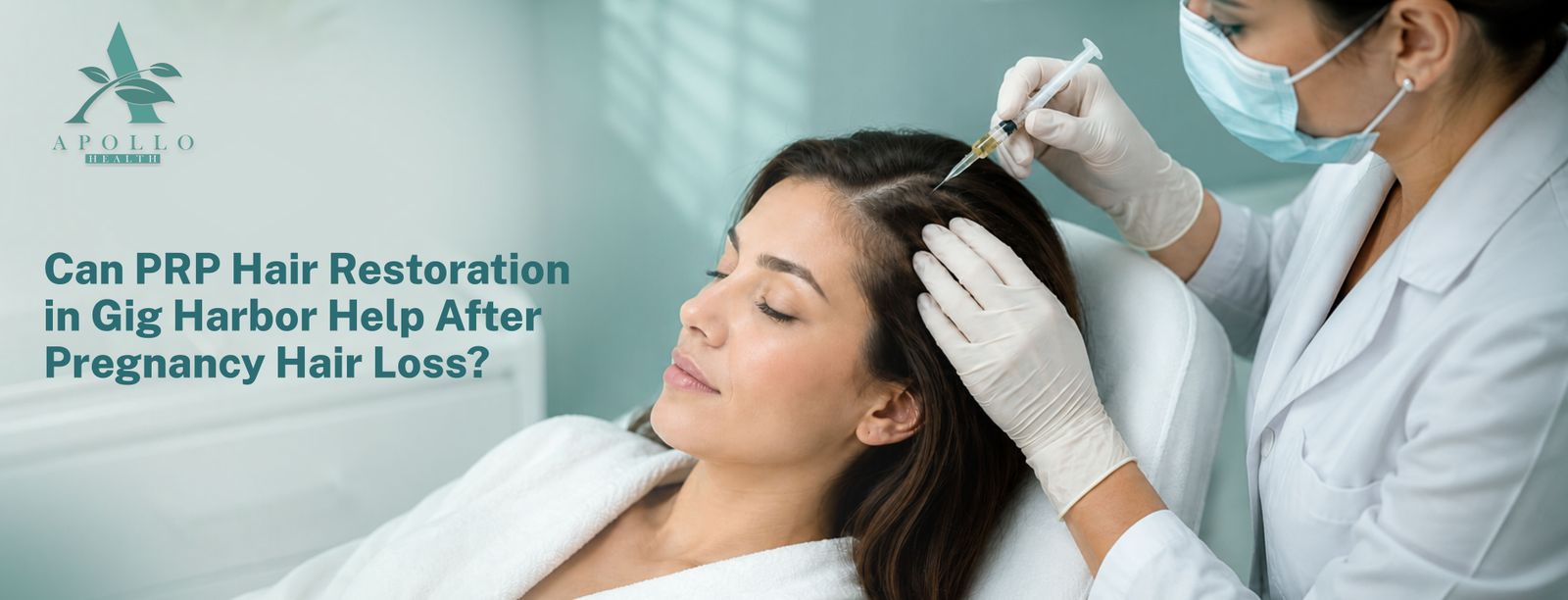
Pregnancy changes your body in incredible ways. While many women enjoy thicker, shinier hair during pregnancy, the months after childbirth often tell a different story. One morning, you notice more strands in your hairbrush than usual. A few weeks later, your shower drain seems to collect handfuls of hair. Soon, your once-full ponytail feels thinner, and the extra shedding becomes difficult to ignore.
If this sounds familiar, you're far from alone.
Postpartum hair loss is one of the most common concerns new mothers experience, yet it often catches them by surprise. Between caring for a newborn, adjusting to sleepless nights, and navigating countless physical and emotional changes, watching your hair fall out can feel overwhelming.
Many women initially wonder if something is seriously wrong. Others try every shampoo, vitamin, or home remedy they can find online, hoping for a quick fix. While some degree of postpartum shedding is completely normal, understanding why it happens—and knowing when professional procedure may help—can make a significant difference in your recovery journey.
That's why PRP Hair Restoration in Gig Harbor has become an increasingly popular option for women looking to support natural hair regrowth after pregnancy. Rather than simply masking thinning areas, Platelet-Rich Plasma (PRP) therapy works by stimulating your body's own healing and regenerative processes to encourage healthier hair follicles.
But is PRP the right choice for postpartum hair loss?
Can it actually help restore hair density?
And when is the right time to begin procedure?
This guide answers those questions while helping you understand whether PRP for Hair Loss Gig Harbor could be an effective part of your hair restoration journey.
If you're looking for a simple answer, here's what you need to know.
PRP Hair Restoration in Gig Harbor may help women experiencing persistent postpartum hair thinning by stimulating dormant hair follicles, improving blood supply to the scalp, and encouraging healthier hair growth. While temporary postpartum shedding often resolves naturally within several months, women whose hair loss continues beyond six to twelve months may benefit from professional evaluation and PRP therapy. A personalized consultation is essential to determine whether you're a suitable candidate.
One of the biggest surprises for many new mothers is that hair loss doesn't usually happen during pregnancy—it happens afterward.
During pregnancy, estrogen levels remain significantly elevated. These hormones keep more hair follicles in their active growth phase, meaning fewer hairs naturally shed each day. That's why many women notice thicker, fuller hair while expecting.
After childbirth, hormone levels begin returning to normal.
As estrogen decreases, many of those hair follicles shift into the resting phase simultaneously.
Several months later, those hairs naturally shed.
This condition is known as postpartum telogen effluvium, and it affects a large percentage of women after pregnancy.
Although seeing increased hair fall can feel alarming, it's often part of the body's normal recovery process.
Postpartum hair loss doesn't usually create isolated bald spots.
Instead, women often notice:
For many mothers, the emotional impact can be just as significant as the physical changes.
After months of adjusting to life with a newborn, losing noticeable amounts of hair may affect confidence at a time when self-care already feels difficult to prioritize.
Here's an important point that often comes up during consultations.
Temporary postpartum shedding is expected.
Persistent thinning is not.
Most women begin noticing increased shedding around two to four months after delivery.
Hair often starts improving naturally within six to twelve months.
However, if you continue noticing:
It may be time for a professional evaluation.
In these situations, postpartum shedding may overlap with underlying conditions such as female pattern hair loss, nutritional deficiencies, thyroid disorders, or hormonal imbalances.
Identifying the true cause is essential before beginning any procedure.
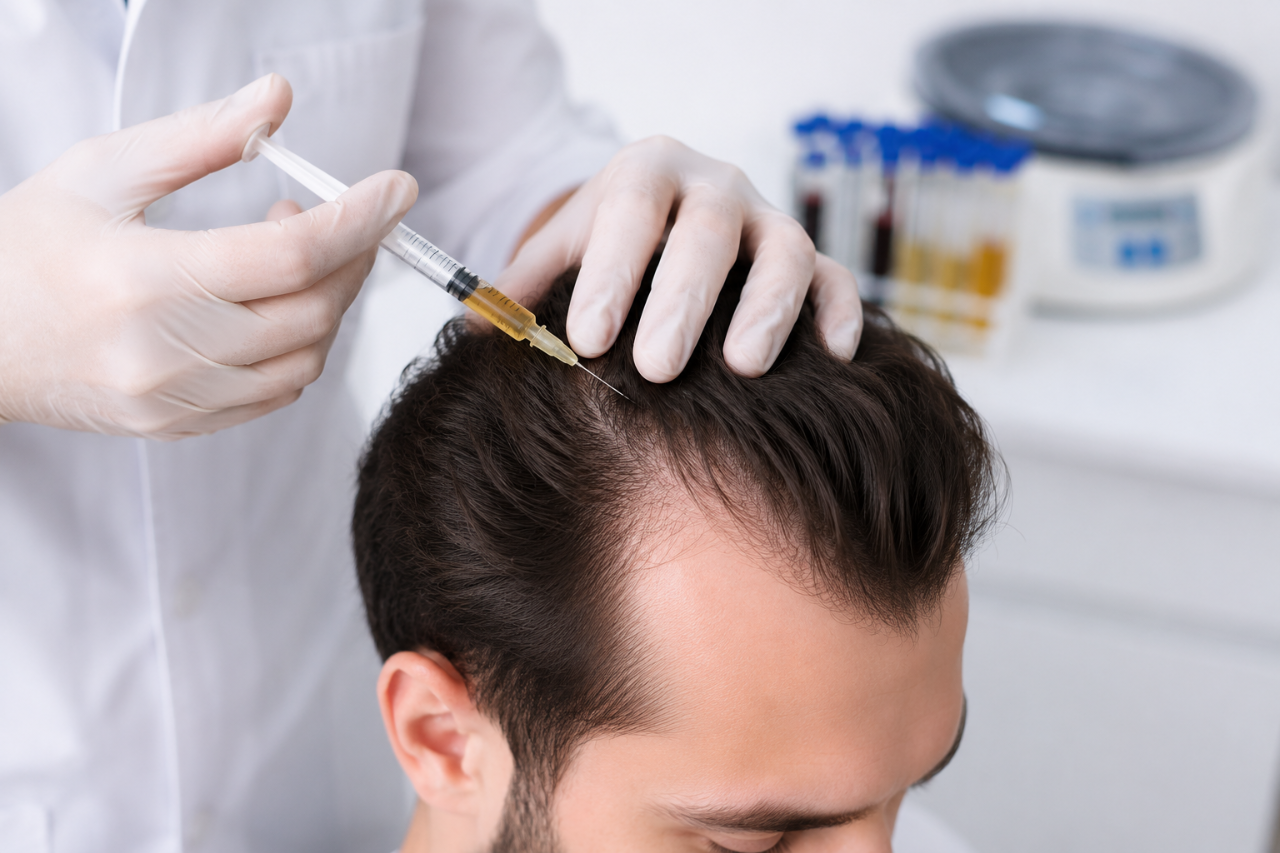
Platelet-Rich Plasma (PRP) therapy uses your body's own healing components to encourage hair follicle activity.
The procedure begins by drawing a small sample of your blood.
That sample is placed into a centrifuge, where it separates into different components.
The platelet-rich plasma—containing concentrated growth factors—is then carefully prepared.
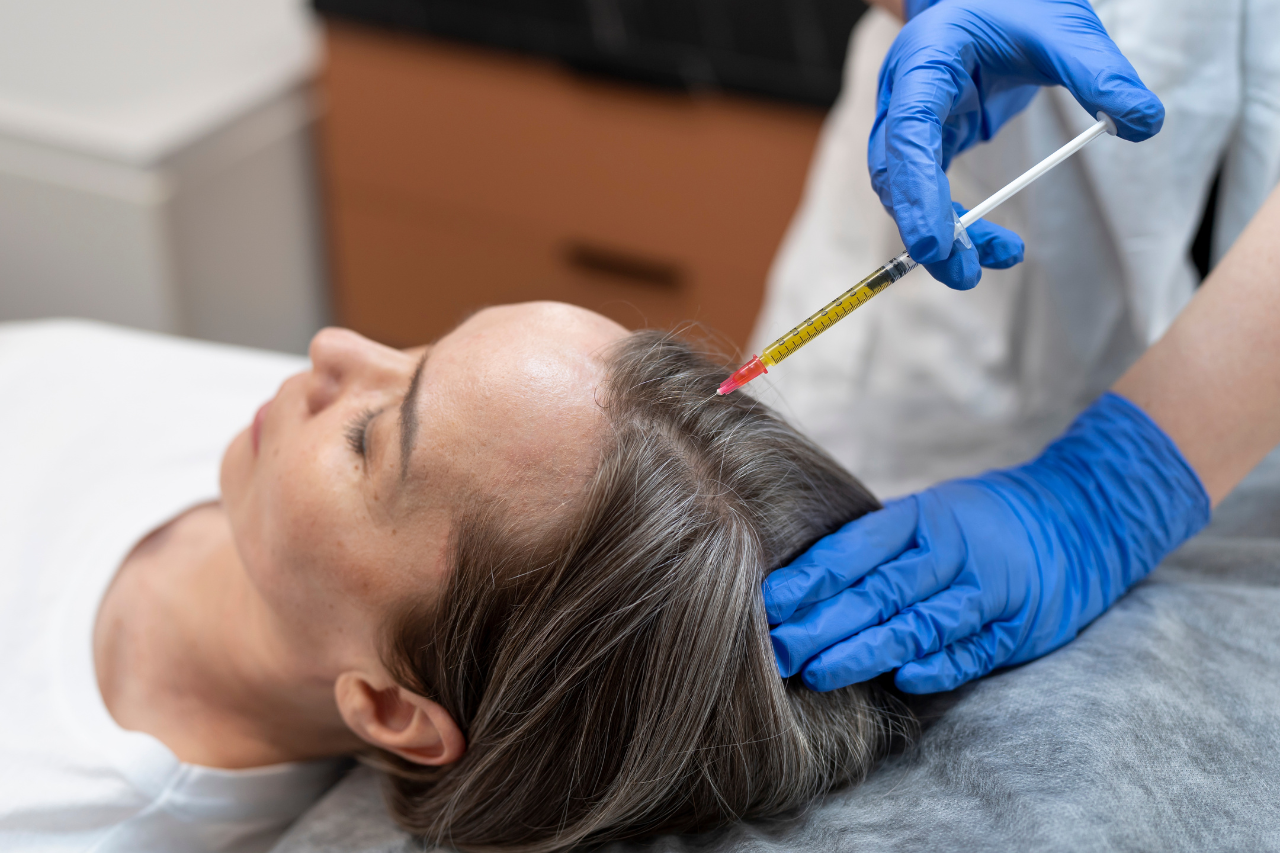
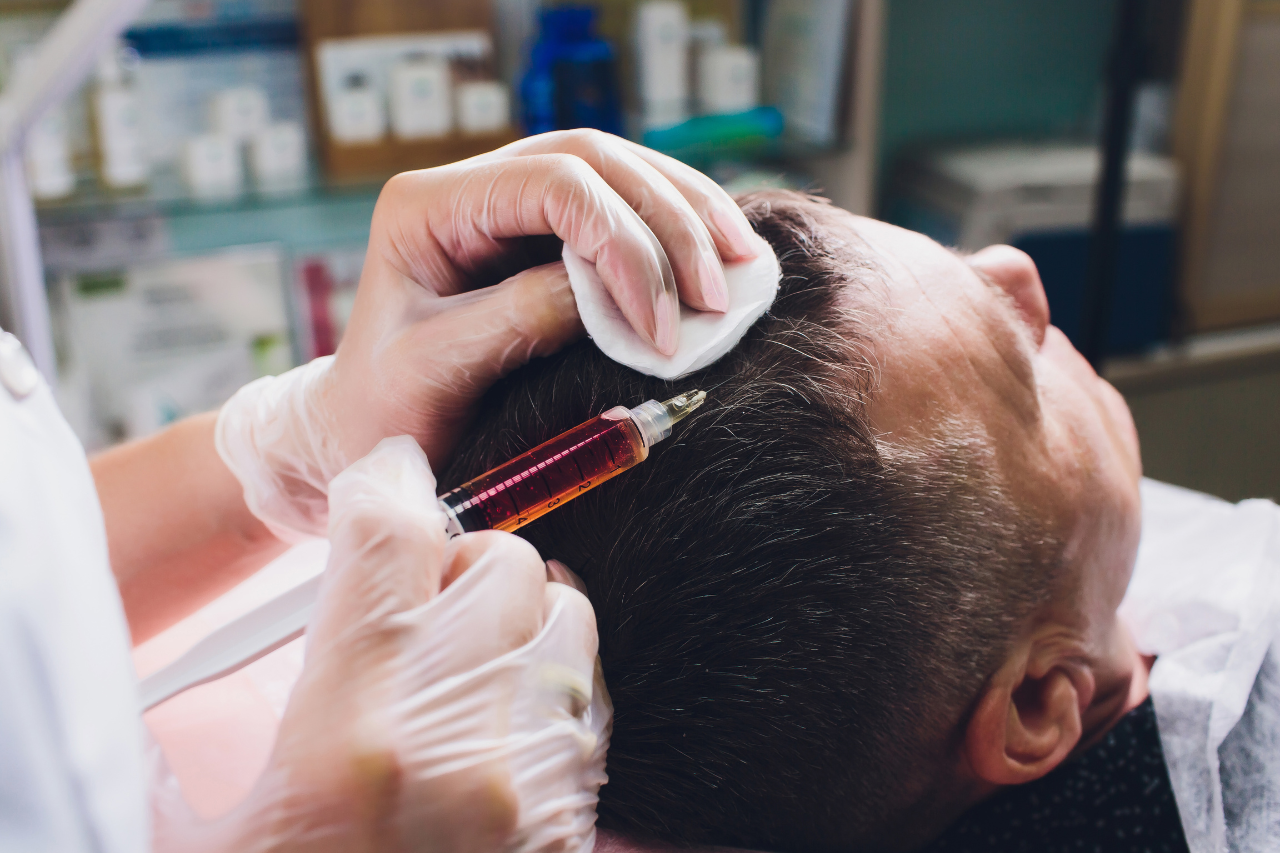
Finally, the PRP is injected into areas experiencing thinning hair.
These natural growth factors help stimulate weakened or dormant follicles while supporting healthier blood circulation within the scalp.
Rather than introducing synthetic medications, PRP Hair Restoration in Gig Harbor works by enhancing the body's own regenerative processes.
The answer depends on why the hair loss is occurring.
If your shedding is simply part of normal postpartum recovery and has only recently started, your provider may recommend observation rather than immediate procedure.
Your body often restores normal hair growth naturally over time.
However, some women continue experiencing noticeable thinning long after hormone levels have stabilized.
In these situations, PRP for Hair Loss Gig Harbor may help stimulate healthier regrowth while supporting weakened follicles.
One patient shared that after welcoming her second child, she expected the shedding to stop within a few months just as it had after her first pregnancy. Nearly a year later, her hair still lacked its previous fullness, and styling became increasingly frustrating. Following a comprehensive evaluation, PRP became part of her procedure plan. Over several months, she began noticing less shedding, improved density, and renewed confidence—not because the change happened overnight, but because gradual improvement finally replaced months of uncertainty.
Every patient's experience is different, which is why professional evaluation remains so important.
You may be an excellent candidate if you:
The Best PRP Hair procedure in Gig Harbor always begins with determining whether PRP is appropriate for your specific cause of hair loss.
Patients often choose PRP because it offers several advantages.
Potential benefits include:
Rather than replacing hair follicles, PRP focuses on strengthening those that remain active.
Although every clinic has its own protocol, most PRP sessions follow a similar process.
First, a small amount of blood is drawn.
Next, the sample is processed in a centrifuge to isolate platelet-rich plasma.
The scalp is cleaned thoroughly before the PRP is carefully injected into areas experiencing thinning.
Most appointments take approximately 45 to 60 minutes, allowing patients to return home shortly afterward.
Many describe the procedure as mildly uncomfortable rather than painful.
One of the reasons PRP Hair Restoration in Gig Harbor continues to gain popularity is that it requires very little downtime. Unlike surgical hair restoration procedures, PRP is minimally invasive, allowing most patients to return to work or their normal daily routine shortly after the procedure.
Immediately after your session, you may experience mild tenderness, slight redness, or a feeling of tightness across the scalp. These reactions are temporary and usually resolve within a day or two.
Your provider may recommend avoiding strenuous exercise, swimming, excessive heat, or washing your hair for the first 24 hours. Following these simple aftercare instructions gives the scalp time to recover and allows the injected platelets to begin supporting the healing process.
Many patients are pleasantly surprised by how straightforward recovery feels. There are no stitches, bandages, or lengthy healing periods—just a gradual process as your scalp responds to the procedure.
One of the most important things to understand about PRP therapy is that it requires patience.
Hair grows in cycles, and follicles don't suddenly become active overnight.
Many patients notice a reduction in daily shedding within the first six to eight weeks. This can be encouraging, especially for mothers who have spent months seeing excessive hair in their brush or shower.
Visible improvements in thickness and density often begin appearing around three to four months after starting procedure.
The most noticeable changes usually develop between six and twelve months, depending on factors such as:
One of the most rewarding moments often comes unexpectedly. Instead of seeing dramatic changes in the mirror one morning, many people first notice that they're cleaning less hair from the shower drain or tying their ponytail with fewer wraps because it feels fuller again. Those small milestones are often the first signs that healthier hair growth is returning.
There isn't a universal procedure plan because every patient's hair loss is different.
For many individuals experiencing postpartum thinning, providers often recommend an initial series of three to four procedures, spaced approximately four to six weeks apart.
After the initial series, maintenance procedures may be recommended every six to twelve months, depending on your progress and long-term goals.
Your provider will create a personalized procedure plan after evaluating your scalp, medical history, and the cause of your hair loss.
Hair growth is gradual. Most patients need several months before noticing meaningful improvements because healthy follicles require time to produce stronger hair.
PRP works best when hair follicles are still present but weakened or inactive. It cannot create new follicles where none remain.
Hair restoration is usually a process rather than a single appointment. A series of procedures often produces the best outcomes.
Not at all.
Women experiencing postpartum thinning, hormonal hair loss, or early-stage hair loss are increasingly choosing PRP Hair Restoration in Gig Harbor as part of their procedure plan.
In most cases, postpartum shedding is temporary and improves within six to twelve months. Persistent thinning should be evaluated by a healthcare provider.
Once you've recovered from childbirth and your healthcare provider determines you're an appropriate candidate, PRP is generally considered safe because it uses your own blood. If you're breastfeeding, discuss procedure timing with your provider.
Yes. Depending on your diagnosis, PRP may be combined with nutritional support, topical medications, or other physician-recommended therapies.
Look for experienced medical professionals who provide detailed consultations, personalized procedure plans, and honest expectations rather than promising unrealistic results.
For patients experiencing persistent thinning with healthy but weakened follicles, many find PRP to be a valuable investment in restoring hair density and confidence.
Postpartum hair loss can be frustrating, emotional, and sometimes unexpected. While temporary shedding is a normal part of the body's recovery after pregnancy, ongoing thinning shouldn't simply be accepted as something you have to live with. Understanding the cause of your hair loss is the first step toward finding the right solution.
For women whose hair continues to thin long after postpartum recovery, PRP Hair Restoration in Gig Harbor offers a minimally invasive procedure that works with your body's own natural healing process. Rather than masking the problem, PRP supports healthier follicles, encourages stronger hair growth, and helps restore confidence over time. Like any medical procedure, the best results come from proper diagnosis, realistic expectations, and care tailored to your individual needs.
At Apollo Health, every patient begins with a thorough consultation to understand the underlying cause of hair loss before recommending the procedure. Whether you're experiencing postpartum shedding, early thinning, or other forms of hair loss, the goal is to create a personalized plan that supports long-term scalp health and natural-looking results.
If you've been searching for PRP for Hair Loss Gig Harbor or looking for the Best PRP Hair procedure in Gig Harbor, don't rely on guesswork or over-the-counter products alone. Schedule a consultation with the experienced team at Apollo Health to receive a comprehensive evaluation and learn whether PRP Hair Restoration in Gig Harbor is the right option for your unique needs. With expert guidance, advanced regenerative techniques, and a personalized approach, you can take the first step toward stronger, fuller, and healthier hair with confidence.